
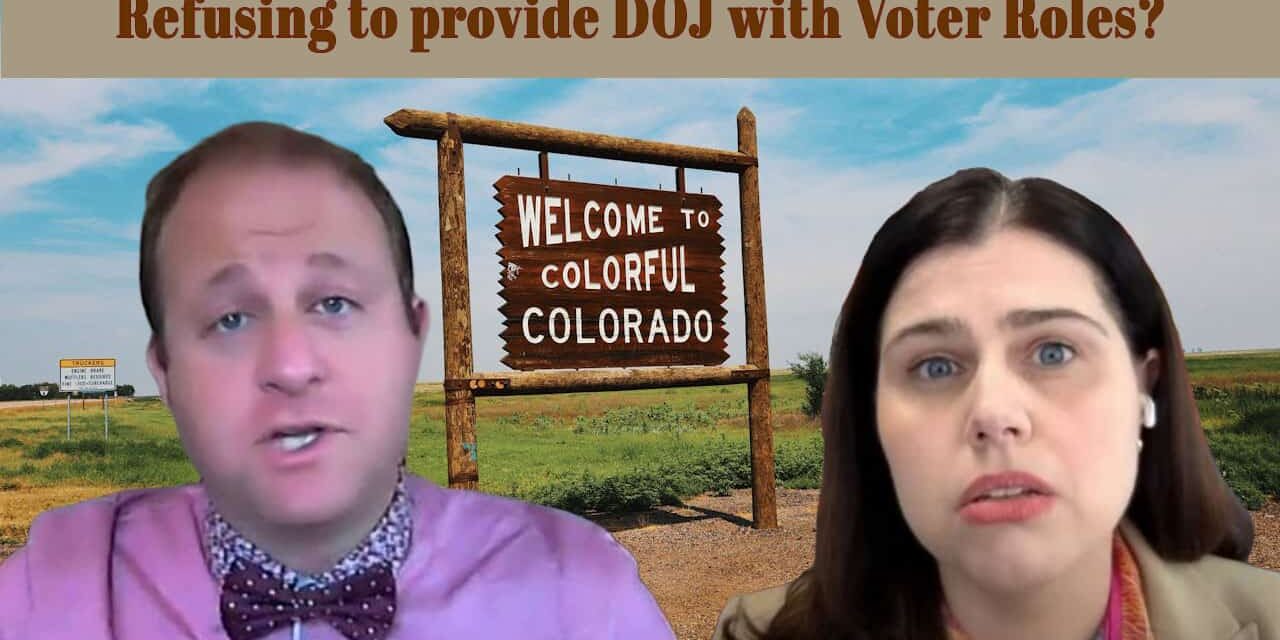
In December 2025, the U.S. Department of Justice sued Colorado for refusing to hand over its full, unredacted statewide voter registration list. The lawsuit demands access to names, dates of birth, residential addresses, and either driver’s license numbers or Social Security identifiers — data Colorado law typically protects.
CBS Colorado reports that Secretary of State Jena Griswold rejected the DOJ’s request, calling it an attempt to obtain “sensitive voting information” without legal justification. The DOJ, meanwhile, argues that federal law entitles them to the records as part of nationwide voter‑roll oversight.
Colorado is not alone. The Trump administration has sued more than a dozen states over similar refusals, including Hawaii, Wisconsin, Illinois, and Georgia.
What Our Video Covered
Our OpenAgenda video unpacked the lawsuit in a way residents could actually understand. We explained:
- What data the DOJ wants
- Why Colorado refused
- How this fits into a national pattern of federal pressure on states
- What the lawsuit could mean for voter privacy
- How election administration authority is divided between states and the federal government
The video also highlighted the political tension between Governor Jared Polis, Secretary Griswold, and the Trump administration — a tension that shapes how Coloradans interpret election integrity debates.
Why This Matters for Colorado Voters
This lawsuit raises fundamental questions:
- Who controls voter data — states or the federal government?
- How do we balance transparency with privacy?
- What precedent does this set for future elections?
Colorado’s response could influence how states nationwide protect voter information in an era of heightened political scrutiny.
OpenAgenda Takeaway
This isn’t just a legal fight — it’s a battle over the boundaries of election authority. Understanding it helps residents see how voter privacy, federal power, and state autonomy collide.