

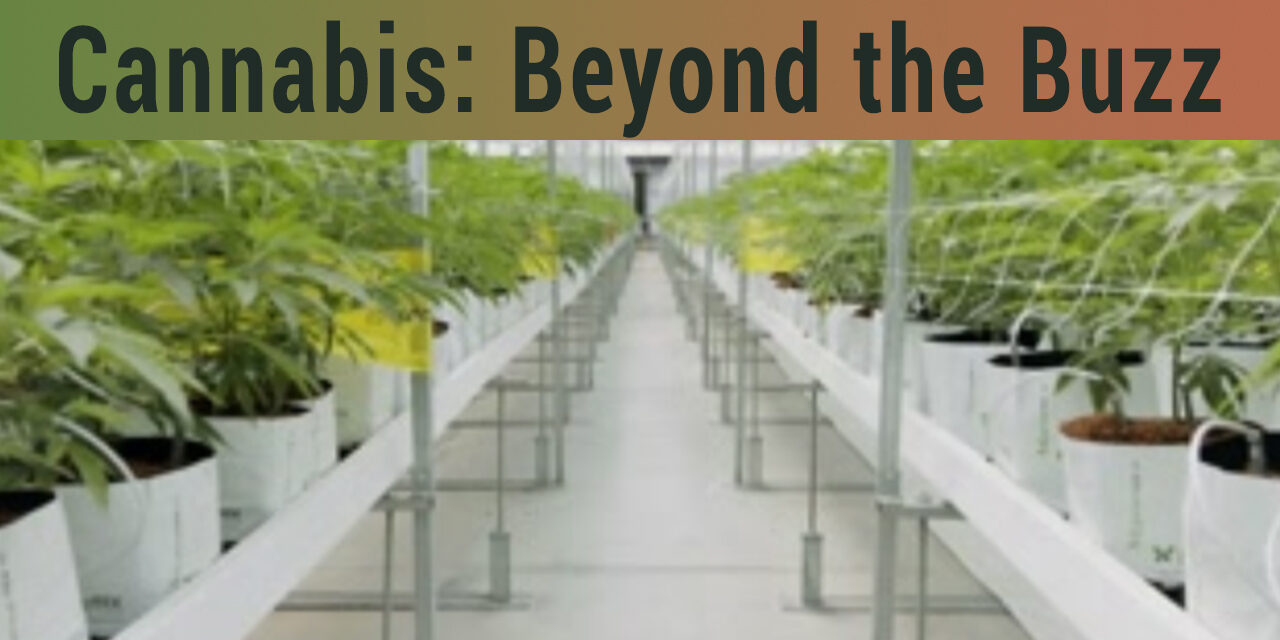
This episode of OpenAgenda.wtf, takes a grounded look at cannabis — separating science from stigma and policy from politics.
Is Cannabis a Gateway Drug?
Former HHS official William Bennett argues cannabis harms focus and acts as a gateway drug. Dr. Daniel Amen’s brain‑scan research shows slowed mitochondrial activity in cannabis users — the tiny “powerhouses” that keep brain cells functioning. Reduced mitochondrial activity is associated with fatigue, depression, anxiety, and in some cases, increased risk of psychosis.
Other researchers, like clinical psychologist Nicole Short, emphasize that cannabis can be addictive. Roughly 30% of users develop cannabis use disorder, and treatment can be difficult once dependency forms.
So Why Reclassify It?
President Trump’s December 2025 Executive Order directs federal agencies to move cannabis from Schedule I to Schedule III.
This does not legalize cannabis federally. What it does is open the door for real medical research — something Schedule I status has blocked for decades.
But there’s a catch. Reporting suggests the process may move far slower than the headlines imply. Federal rule-making can take years — even decades — especially when political opponents attempt to stall it.
The Economic Upside — and the Risks
There are three major areas where Schedule III could reshape the industry:
1. Banking Access
Small cannabis businesses have been stuck in cash‑only operations because banks won’t touch a Schedule I substance.
Schedule III could finally allow:
- Checking accounts
- Loans
- Merchant processing
- Safer, more stable operations
But only once the rule-making is complete.
2. Taxes: IRS Rule 280E
Under 280E, cannabis businesses cannot deduct normal business expenses — rent, payroll, utilities. Schedule III removes that barrier, giving small operators a fighting chance. But again: only after implementation.
3. Big Pharma Enters the Chat
This is the sleeper issue. Schedule III places cannabis in the same regulatory world as prescription drugs:
- FDA trials
- DEA controls
- Insurance coverage
- Pharmacy counters
- Patents
Large pharmaceutical companies already dominate this space. They have the money, lawyers, and regulatory teams to run massive clinical trials and secure patents. Over time, this could shift cannabis from local dispensaries to CVS counters — and from small growers to major manufacturers.
The Bottom Line
The benefits of Schedule III are real.
The timeline is uncertain.
The industry may face a new wave of consolidation as Big Pharma steps in.
This is where civic literacy meets economic reality — understanding not just what the Executive Order says, but how long it will take to reshape the landscape.